Why?
Emergency Preparedness Kit To-Do List Details
WATER
A minimum of one gallon of drinkable water per person per day for at least 3 days
Because ground water can become contaminated during an emergency, it is important you have a supply of clean drinking water on hand to stay hydrated.
NON-PERISHABLE FOODS
Keep your belly full during an emergency by having on hand at least a three-day supply of non-perishable foods, such as canned goods. Also remember to include a manual can opener in your kit.
FLASHLIGHTS
Don't be afraid of the dark! Make sure you have flashlights and batteries in your kit along with extra batteries.
hand-crank or battery-operated radio
Since the power can be out for weeks after a disaster, a radio (preferably a NOAA Weather Radio) may become your primary source for staying connected to the news you need to know.
FIRST AID KIT
As medical resources may be spread thin during an emergency, make sure you have a first aid kit stocked with plenty of antibiotic ointment, gauze, bandages, pain medication, gloves and a cold compress.
Copies of personal documents
Starting over after a disaster can be made easier if you have copies of all your important personal documents, such as medication lists and medical history information, the deed/lease to your home, birth certificates, insurance policies and passports.
Family and emergency contact information
Letting your family members know you are okay after a disaster will be easier by having their contact information handy. If you have an emergency yourself, this list can be used by someone else to contact your family and friends to update them on how you are doing.
Learn More.
Consult the American Red Cross website for a more complete list of items to include.
WATER
A minimum of one gallon of drinkable water per person per day for at least 3 days
Because ground water can become contaminated during an emergency, it is important you have a supply of clean drinking water on hand to stay hydrated.
NON-PERISHABLE FOODS
Keep your belly full during an emergency by having on hand at least a three-day supply of non-perishable foods, such as canned goods. Also remember to include a manual can opener in your kit.
FLASHLIGHTS
Don't be afraid of the dark! Make sure you have flashlights and batteries in your kit along with extra batteries.
hand-crank or battery-operated radio
Since the power can be out for weeks after a disaster, a radio (preferably a NOAA Weather Radio) may become your primary source for staying connected to the news you need to know.
FIRST AID KIT
As medical resources may be spread thin during an emergency, make sure you have a first aid kit stocked with plenty of antibiotic ointment, gauze, bandages, pain medication, gloves and a cold compress.
Copies of personal documents
Starting over after a disaster can be made easier if you have copies of all your important personal documents, such as medication lists and medical history information, the deed/lease to your home, birth certificates, insurance policies and passports.
Family and emergency contact information
Letting your family members know you are okay after a disaster will be easier by having their contact information handy. If you have an emergency yourself, this list can be used by someone else to contact your family and friends to update them on how you are doing.
Learn More.
Consult the American Red Cross website for a more complete list of items to include.

Keep cool with instant cooling technology - Chemical Free Cooling
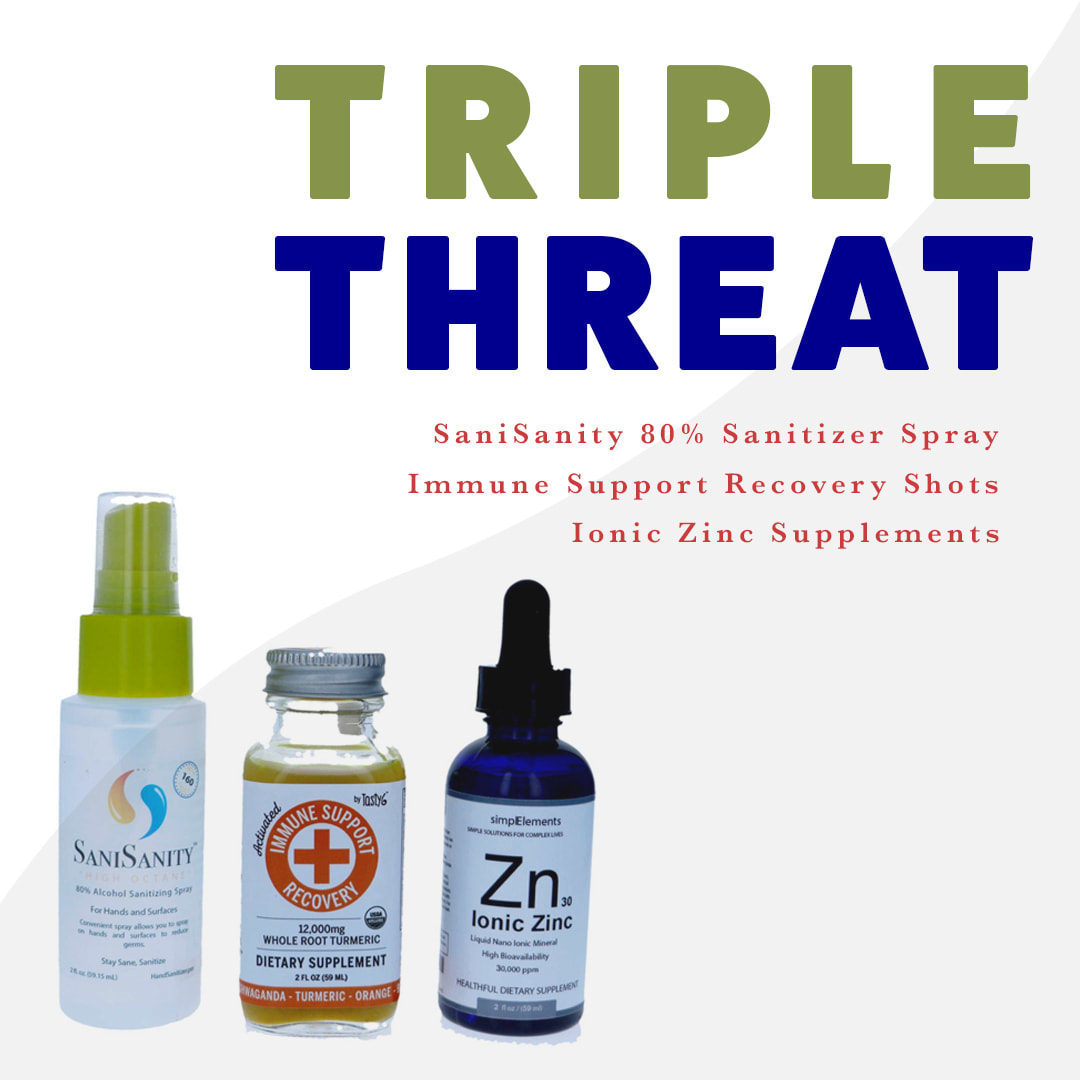
Immune Support + Recovery Booster Defense Package
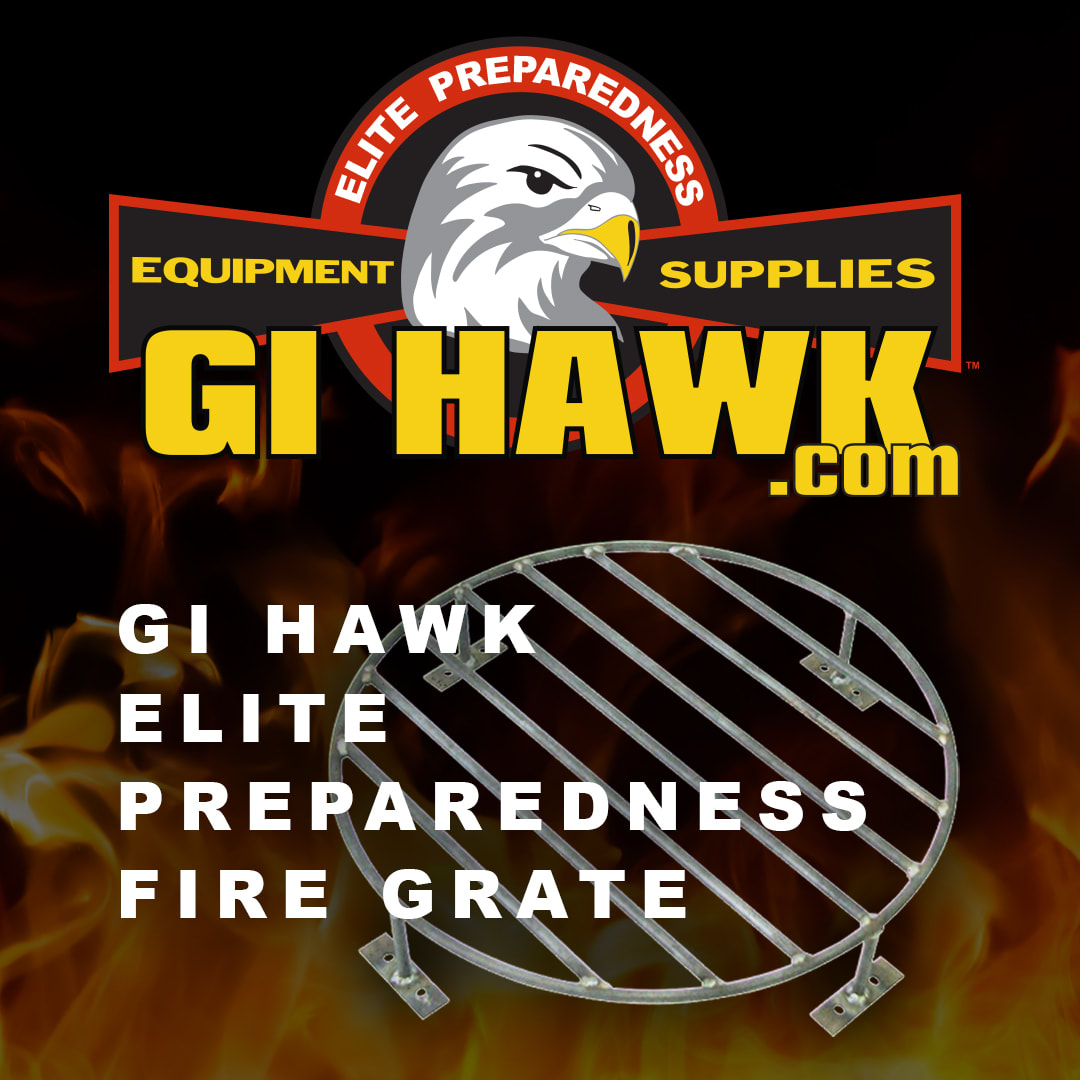
HEAVY DUTY - This GI HAWK fire pit grate is made from special high carbon hardened steel which is 45% stronger than common steel. With its 24” diameter and 5/8" steel, it fits in just about any large fire pit. Welded on feet supports with holes for permanent mounting if desired. If not, adds to the stability of grate. Great gift or for your fire pit.
|

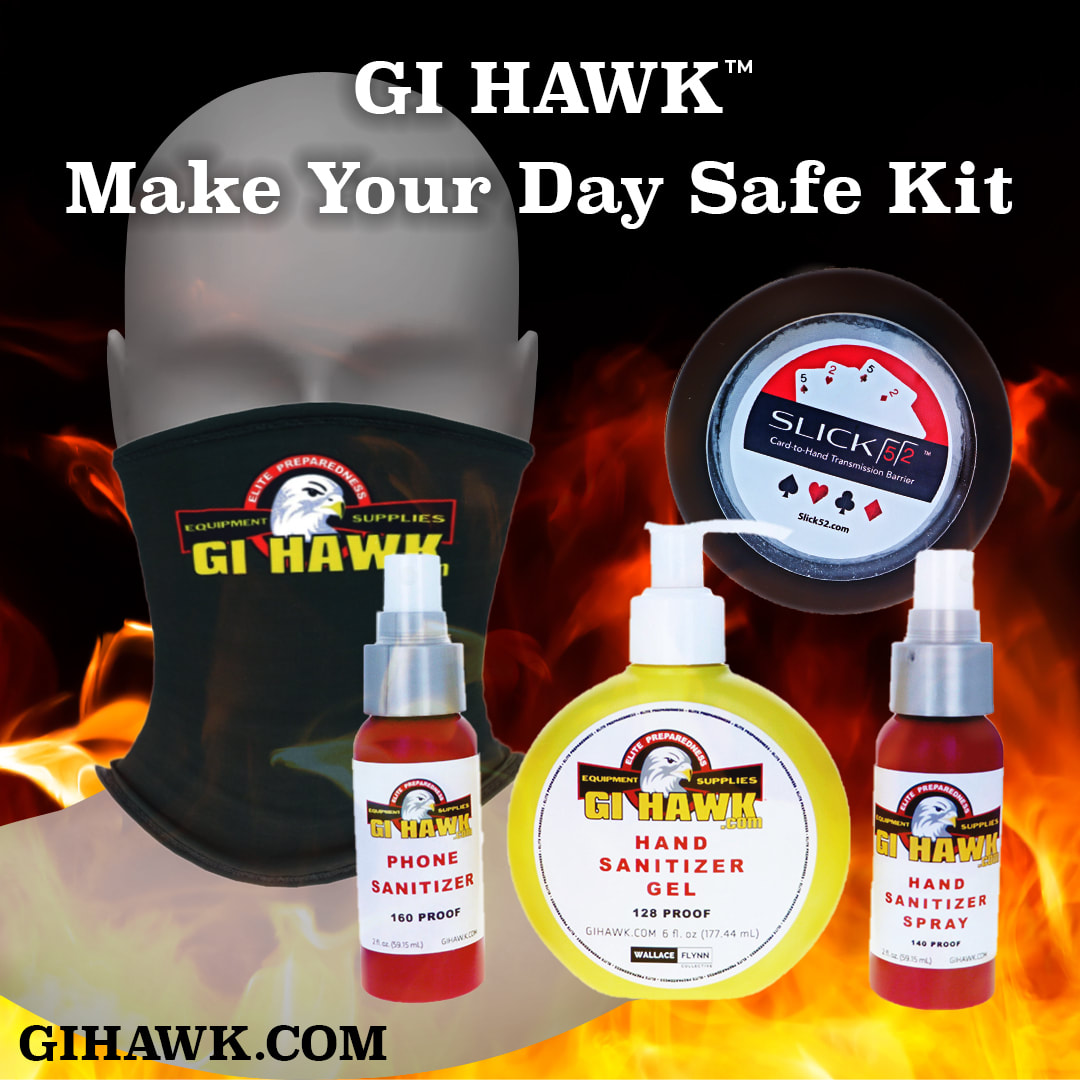
GI HAWK cloth face coverings are made of the finest, state-of-the-art cooling fabric available. This product utilizes fabric made from Post-Consumer Recycled Plastic (our plastic bottles and the like) that absorb, circulate, wick moisture, and evaporate. No refrigeration is necessary. One size fits most.
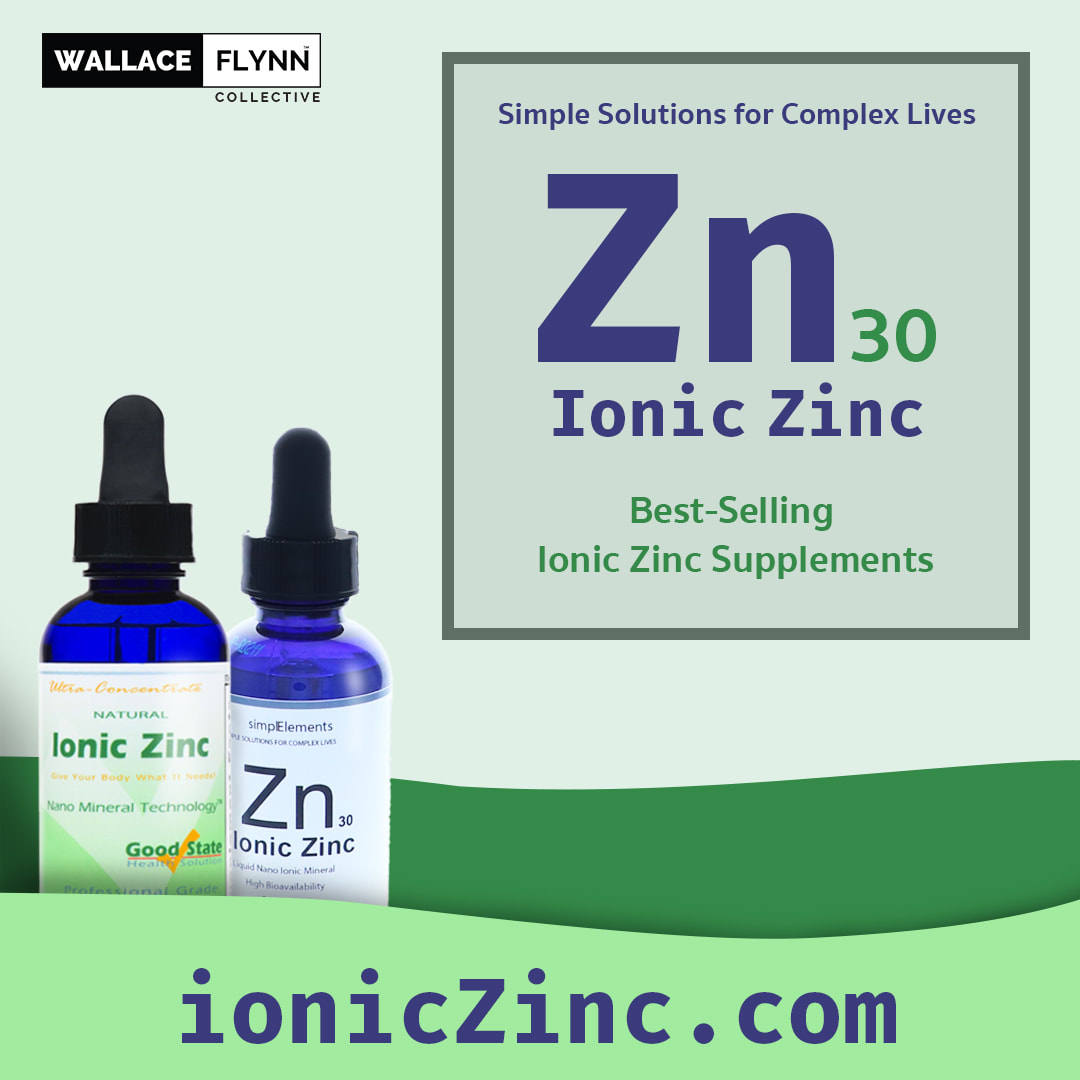
simplElements Liquid Ionic Nano Zinc, 2 fl oz, 30,000 ppm, All Natural & Vegan!
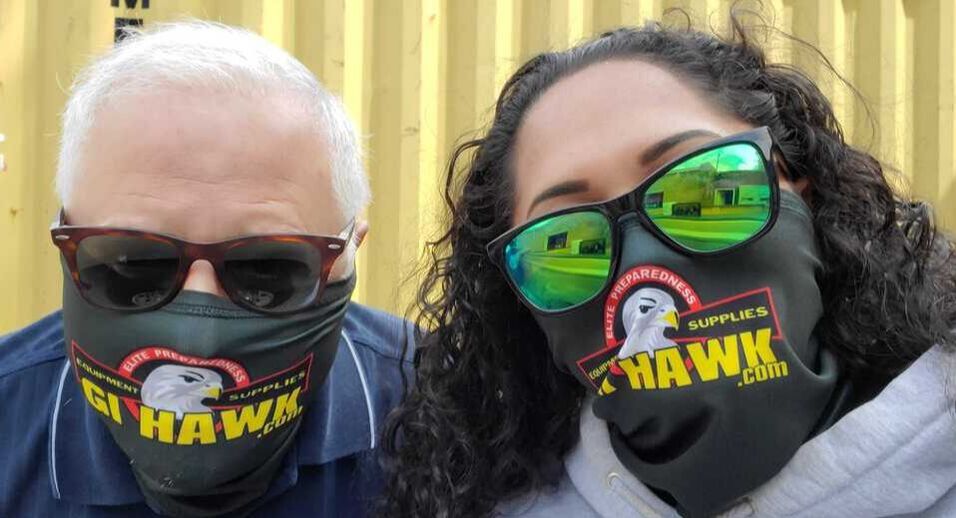
The high- tech fabric enhances the natural process of evaporation to create an instant cooling effect that lasts for hours.
|

©2022 COPYRIGHT | ALL RIGHTS RESERVED | Wallace Flynn Inc